
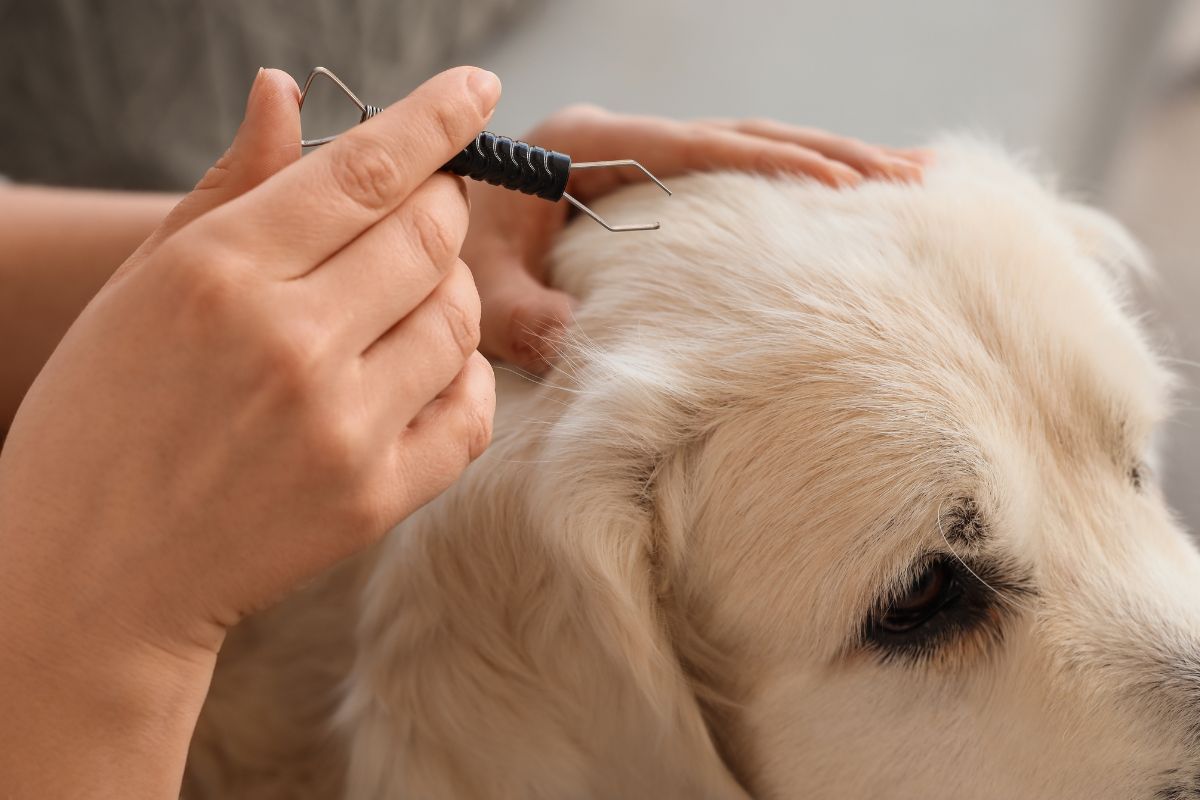
Bringing home a puppy is an exciting time. There are new toys to buy, new routines to learn, and plenty of little moments to enjoy. Grooming is another important part of caring for your puppy, but it is often something new dog owners are unsure about.
How soon should a puppy be groomed? How often should you brush them? What happens during a professional grooming visit? And how can you help your puppy feel comfortable with baths, nail trims, and brushing?
The good news is that puppy grooming does not have to be difficult. Starting with simple habits early can help your puppy become comfortable with grooming as they grow.
Why Is Puppy Grooming Important?
Grooming is about much more than making your puppy look cute and clean. Regular grooming helps keep the coat, skin, paws, ears, and nails in good condition.
Brushing can remove loose hair, dirt, and small tangles. Bathing helps keep the coat fresh, while nail care prevents nails from becoming too long. Regular grooming also gives you a chance to notice changes such as dry skin, lumps, redness, or areas that may need extra attention.
Just as importantly, grooming teaches your puppy to accept being handled.
A puppy that learns early that brushing, touching their paws, cleaning their ears, and having their coat trimmed are normal experiences may find future grooming visits much easier.
When Should You Start Grooming Your Puppy?
There is no need to wait until your puppy has a long coat before introducing grooming.
You can start with simple handling at home. Gently touch your puppy's paws, ears, tail, and face. Run your fingers through their coat and let them become familiar with a brush.
Keep these early sessions short. A few minutes is enough.
The goal is not to complete a full grooming session. The goal is to make grooming feel normal.
Give your puppy praise when they stay calm. You can also use small treats to create a positive connection with grooming.
Remember that every puppy is different. Some will be curious about everything, while others may need more time to become comfortable.
Getting Your Puppy Used to Brushing
Brushing is one of the easiest grooming habits to introduce at home.
Choose a brush that suits your puppy's coat and start slowly. Let your puppy sniff the brush before using it. Then make a few gentle strokes over their coat.
Avoid pulling at knots or brushing too hard. If the puppy becomes uncomfortable, take a break and try again later.
As your puppy grows, regular brushing can become part of their normal routine. Dogs with longer or thicker coats may need more frequent brushing to help prevent tangles and mats.
Brushing also helps you learn what your puppy's coat feels like when it is healthy. This makes it easier to notice changes later.
How Often Does a Puppy Need a Bath?
Puppies do not usually need frequent baths unless they get dirty or your groomer or vet recommends a particular bathing routine.
Too many baths can sometimes dry the skin, especially if the wrong products are used.
When bathing your puppy, use products made for dogs rather than human shampoo. Keep the water comfortable and make the experience calm.
A gentle bath followed by a thorough dry can help your puppy become familiar with the sounds and sensations they may experience during professional grooming.
For puppies that are nervous about water, take your time. Do not turn bath time into a struggle. Short, calm experiences can be more useful than trying to finish everything at once.
Don't Forget the Nails
Puppy nails grow quickly, and long nails can make walking uncomfortable.
Nail trimming can be one of the more difficult grooming tasks for a new owner because puppies often do not like having their paws held.
Start by touching your puppy's paws regularly. Once they are comfortable with this, you can slowly introduce them to the sound and feeling of nail trimming.
If you are unsure about trimming your puppy's nails, a professional groomer can help. It is better to ask for help than to rush and accidentally cut too far.
Ear and Face Care
A puppy's ears and face also need attention.
Gently check your puppy's ears from time to time. Look for obvious dirt, redness, swelling, or an unusual smell. If you notice something that concerns you, speak with your vet rather than trying to treat it yourself.
Face care is also important for puppies with hair that grows around the eyes and mouth. Keeping these areas neat can help your puppy stay comfortable and clean.
A professional groomer can safely tidy these areas as part of a suitable grooming service.
What Happens During a Professional Groom?
Many new dog owners are unsure about what their puppy will experience at a grooming salon.
A professional groom can include several steps depending on the dog's coat, condition, and grooming needs.
At Woof Society, a Standard Full Groom includes a bath and conditioning treatment, professional blow-dry and brush-out, a short comfort clip, ear cleaning, nail clipping, paw pad shaving, a sanitary trim, and face tidying. The service is designed to leave the coat short, clean, comfortable, and easier to maintain.
Not every puppy needs the same haircut. Coat type, breed, age, lifestyle, and the owner's preferred maintenance routine can all affect the right grooming approach.
For some puppies, a simple tidy-up may be enough. Others may need more regular coat care as their hair grows.
How to Prepare Your Puppy for Their First Groom
A little preparation can make a big difference.
Before the first professional visit, help your puppy become comfortable with basic handling. Touch their paws, gently hold their ears, and brush their coat for short periods.
It can also help to introduce them to everyday grooming sounds. Hair dryers and clippers can seem strange to a puppy at first, so gradual exposure can help.
Keep your own attitude relaxed. Puppies can pick up on tension, so staying calm can help them feel safer.
Most importantly, do not expect your puppy to behave like an experienced adult dog during their first visit. Grooming is a new experience, and learning takes time.
What If Your Puppy Is Nervous?
Some puppies are naturally more sensitive than others.
A nervous puppy may try to move away, become restless, or show that they are uncomfortable with being handled. This does not mean they can never enjoy grooming.
Patience matters.
A calm grooming environment and gentle handling can help puppies build trust over time. Instead of focusing only on getting the perfect haircut, the first few visits can also be about helping the puppy become familiar with the grooming process.
At Woof Society, the focus is on creating a calm and comfortable grooming experience, with care tailored to each dog's breed, size, and needs.
Common Puppy Grooming Mistakes to Avoid
New owners can easily make a few simple mistakes when they are learning about grooming.
Waiting Too Long to Start
If you wait until your puppy has a badly tangled or overgrown coat, their first grooming experience may be more difficult.
Making Grooming a Struggle
Forcing a puppy through every grooming task can create a negative association. Stay patient and introduce new experiences gradually.
Using the Wrong Products
Human shampoos and unsuitable grooming products may not be right for a dog's skin and coat. Use products designed for dogs.
Ignoring Small Tangles
Small knots can become larger mats if they are not dealt with. Regular brushing is especially important for puppies with longer coats.
Doing Everything at Once
Your puppy does not need to learn bathing, brushing, nail trimming, and clipping in one day. Start small and build confidence.
How Often Should Your Puppy Be Groomed?
There is no single grooming schedule that works for every puppy.
A short-coated puppy may need less coat maintenance than a puppy with long, curly, or thick hair. Lifestyle also matters. A puppy that spends lots of time outside may get dirty more often than one that mostly stays indoors.
Your groomer can help you create a routine based on your puppy's coat and needs.
The most important thing is consistency. Regular grooming is usually easier than waiting until the coat becomes difficult to manage.
Make Grooming a Positive Part of Growing Up
Puppy grooming is not just about keeping your dog clean. It is about teaching them that being brushed, washed, handled, and cared for is a normal part of life.
Start early. Keep sessions gentle. Give your puppy time to adjust. And do not be afraid to use professional help when you need it.
A good grooming routine can help your puppy stay comfortable while making coat care easier for you as they grow.
For new dog owners, the goal is simple: clean coat, healthy habits, and a puppy that feels safe and comfortable during grooming.
If you're looking for professional Puppy Grooming Brisbane services in Indooroopilly, Woof Society provides personalised grooming in a calm salon environment. Its services include standard full grooming, styled full grooming, bath and tidy services, and other coat-care options.