
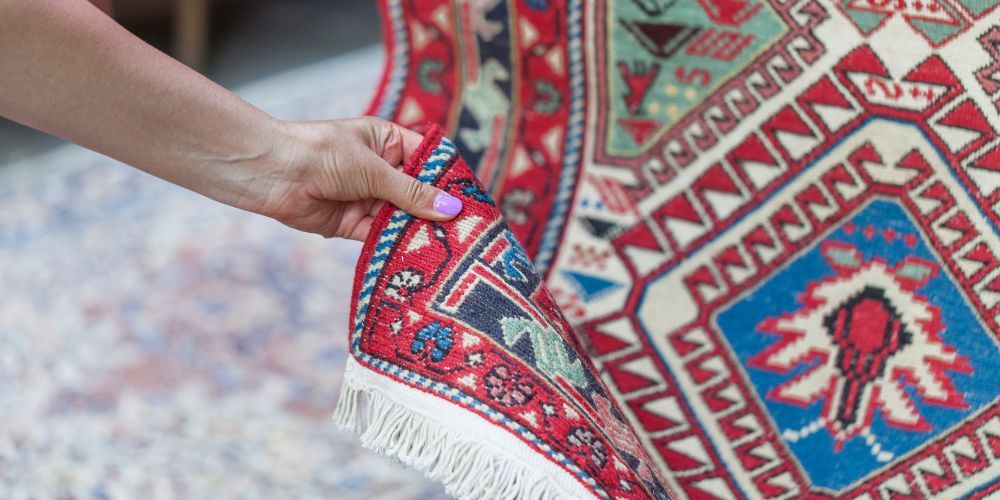
Choosing the perfect rug can transform the look and feel of any space. While many rugs are available in different styles, materials, and price ranges, authentic handcrafted pieces offer a level of quality, beauty, and durability that stands apart. Hand Knotted Rugs are especially valued because they are created through a detailed traditional process where skilled artisans tie each knot individually to form unique patterns and designs.
However, with many rug options available in the market, it can sometimes be difficult for buyers to determine whether a rug is genuinely hand knotted or a machine-made imitation. Understanding the key features of authentic hand knotted rugs can help you make a confident investment and choose a piece that adds lasting value to your home.
Understanding What Makes a Hand Knotted Rug Authentic
Authentic hand knotted rugs are made entirely by hand using a knotting technique that involves tying individual knots onto a foundation. This process requires significant time, skill, and attention to detail. Unlike machine-produced rugs that are manufactured quickly with automated methods, handmade rugs reflect the craftsmanship of the artisan who created them.
The time and effort involved in making these rugs contribute to their durability, uniqueness, and higher value. Each piece has slight variations that showcase its handmade nature, making every rug one of a kind.
Check the Back of the Rug
One of the easiest ways to identify Hand Knotted Rugs is by examining the back of the rug. Authentic hand knotted rugs usually have a visible knot structure on the reverse side. You should be able to see individual knots that match the pattern on the front of the rug.
Machine-made rugs often have a uniform backing or may include a synthetic coating that hides the construction. When looking at a handmade rug, the design should naturally continue through the entire rug rather than appearing only on the surface.
Taking a close look at the back can reveal important details about how the rug was created and whether it is truly handcrafted.
Look for Slight Imperfections
Many buyers assume that a perfect rug must have perfectly identical patterns and shapes. However, handmade rugs often contain small variations, which are actually signs of authenticity.
Because artisans create each rug by hand, minor differences in knot size, pattern alignment, or color variation can occur. These details add character and prove that the rug was not mass-produced.
A rug that looks too uniform and identical may be machine-made. Authentic hand knotted rugs have a natural appearance that reflects the human craftsmanship behind their creation.
Examine the Material Quality
The materials used in a rug can also help determine its authenticity. High-quality hand knotted rugs are commonly made from natural fibers such as wool, silk, or cotton. These materials provide softness, durability, and a luxurious appearance.
Wool is one of the most popular choices because it is naturally strong, comfortable, and resistant to everyday wear. Silk rugs offer a refined texture and beautiful shine, often used for more decorative and luxurious designs.
When buying a rug, pay attention to how the material feels. Authentic handmade rugs usually have a rich texture and substantial weight compared to lower-quality alternatives.
Consider the Knot Density
Knot density is another important factor when identifying a genuine hand knotted rug. The number of knots per square inch affects the level of detail, durability, and overall quality of the rug.
Rugs with higher knot density typically feature more detailed patterns and require more time to create. While a higher knot count does not always mean a better rug, it is often an indication of skilled craftsmanship and careful construction.
Inspecting the knots closely can help you understand the amount of work involved in creating the piece.
Check the Pattern and Design Details
Authentic hand knotted rugs often feature detailed patterns that are carefully created by artisans. Traditional designs, floral motifs, geometric patterns, and artistic elements are commonly found in these rugs.
The design should appear consistent throughout the rug, with colors and patterns woven into the fibers rather than simply printed on the surface. Printed or machine-made rugs may have designs that look flat or lack the depth found in handmade pieces.
The richness of detail is one of the reasons these rugs remain popular among homeowners and interior designers.
Evaluate the Rug’s Weight and Structure
A genuine hand knotted rug usually feels heavier and more substantial than a machine-made rug of a similar size. The dense knotting technique creates a strong structure that allows the rug to maintain its shape over time.
When lifting a rug, consider its overall feel. A quality handmade rug should feel sturdy, flexible, and well-constructed. Lightweight rugs made from synthetic materials may not offer the same durability or long-term value.
Ask About the Rug’s Origin and Craftsmanship
A reliable seller should be able to provide information about the rug’s origin, materials, and creation process. Knowing where a rug was made and how it was produced can help you understand its authenticity.
Many handcrafted rugs come from regions known for their traditional weaving techniques. Details about the artisan process, materials, and production methods can provide confidence that you are purchasing a genuine piece.
Avoid Focusing Only on Price
Price can sometimes provide clues about authenticity, but it should not be the only factor when choosing a rug. Authentic hand knotted rugs require extensive labor and quality materials, which often makes them more valuable than mass-produced options.
However, a higher price does not automatically guarantee authenticity. Buyers should consider craftsmanship, materials, knot quality, and design details together when making a decision.
Investing in a well-made rug means choosing a piece that can provide beauty and comfort for many years.
Caring for Your Hand Knotted Rug
Once you have selected an authentic rug, proper care is essential for maintaining its beauty. Regular cleaning, protecting it from excessive moisture, and rotating it occasionally can help prevent uneven wear.
Avoid harsh cleaning methods that may damage natural fibers. Professional cleaning services familiar with handmade rugs can help preserve the colors, texture, and craftsmanship.
With proper maintenance, a quality rug can remain an attractive part of your home for generations.
Conclusion
Identifying authentic Hand Knotted Rugs requires attention to details such as knot structure, materials, craftsmanship, and design quality. By understanding these features, buyers can avoid imitations and choose rugs that offer genuine beauty, durability, and long-term value.
A carefully selected handmade rug can become more than just a decorative item—it can serve as a statement piece that adds warmth and personality to your interior. For a wide selection of beautifully crafted rugs designed to enhance your living spaces, explore Atlanta Designer Rugs and discover options that combine timeless style with exceptional quality.