
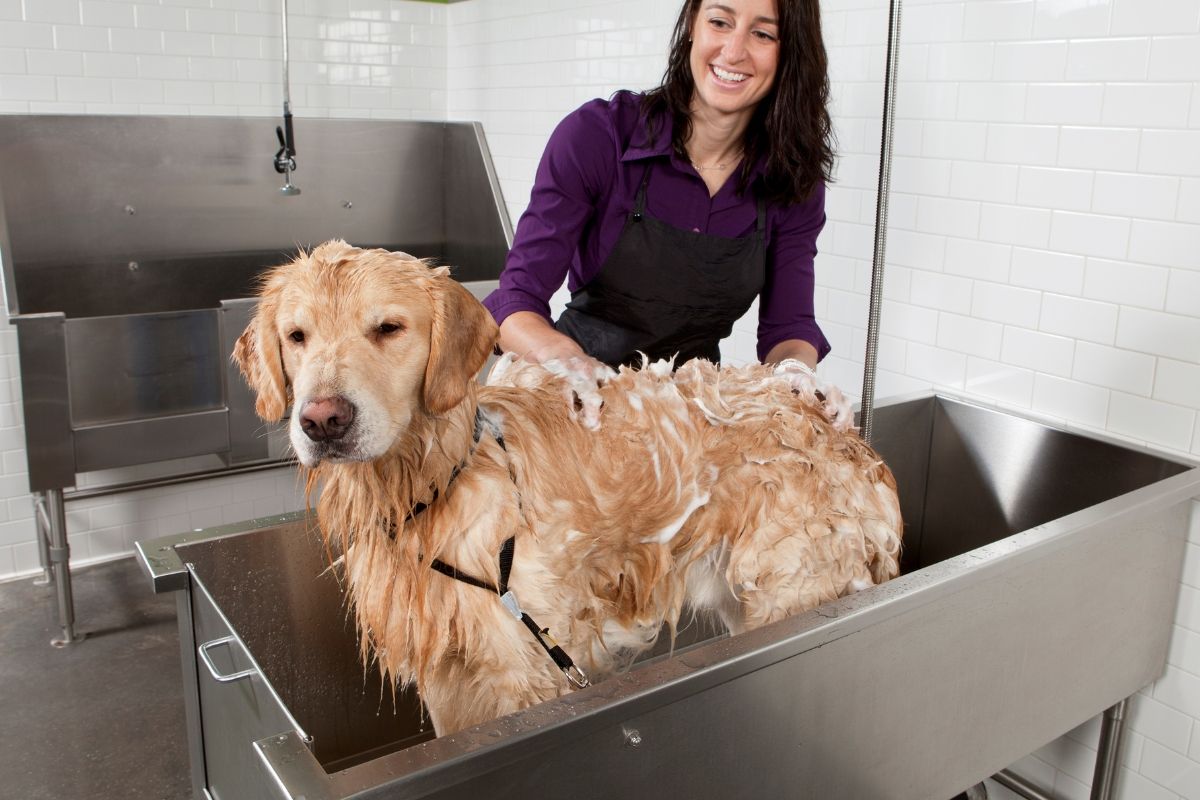
Keeping your dog clean is an important part of their overall health and happiness. Regular washing helps remove dirt, dust, loose hair, and odors while keeping your dog's coat and skin in good condition. However, many pet owners are unsure about how often they should wash their dogs.
The truth is that there is no single answer that works for every dog. Some dogs need more frequent baths because they spend a lot of time outdoors, while others can go several weeks between washes. Washing too often can dry out the skin, while not washing enough can lead to unpleasant odors and coat problems.
Understanding your dog's needs can help you create the right washing routine. Whether you have a puppy, an active adult dog, or an older pet, finding the right balance is essential. This guide explains how often dogs should be washed, what factors affect bathing frequency, and how to keep your pet clean and comfortable throughout the year.
Why Regular Dog Washing Is Important
A clean dog is not just pleasant to be around. Regular washing helps maintain healthy skin and a healthy coat. During daily activities, dogs pick up dirt, pollen, mud, and other particles that can become trapped in their fur.
Bathing helps remove these materials before they cause irritation or odor. It also gives owners a chance to check for skin issues, ticks, bumps, cuts, or other concerns that may need attention.
Clean coats are easier to brush and maintain. Dogs that follow a proper grooming routine are often more comfortable and less likely to experience excessive itching caused by dirt buildup.
What Determines How Often a Dog Needs a Wash?
Several factors influence how frequently a dog should be bathed. Understanding these factors can help you develop a schedule that works best for your pet.
Coat Type
A dog's coat is one of the biggest factors affecting bathing needs.
Short-haired dogs usually stay cleaner longer because their coats do not trap as much dirt. Long-haired dogs often collect debris more easily and may need washing more frequently.
Dogs with thick or double coats may also require extra care because dirt can become trapped beneath the outer layer of fur.
Activity Level
Dogs that spend most of their time indoors generally require fewer baths than highly active dogs.
Outdoor adventures often expose dogs to mud, grass, sand, and other substances that can dirty their coats. Active dogs may need baths more often simply because they get dirty faster.
Skin Condition
Dogs with healthy skin can usually follow a standard bathing schedule. However, pets with allergies or skin problems may need a different routine.
Some conditions require special shampoos and carefully planned washing schedules. If your dog has ongoing skin concerns, professional advice may help determine the best approach.
Climate and Environment
Weather conditions can affect how often your dog needs a bath.
Humid environments can make dogs smell stronger between baths. Rainy seasons often lead to muddy paws and dirty coats. On the other hand, dry climates may require less frequent bathing to prevent skin dryness.
Age
Puppies and senior dogs often have unique grooming requirements.
Young puppies may occasionally need baths as they learn and explore their surroundings. Older dogs sometimes benefit from regular grooming because mobility challenges can make self-cleaning more difficult.
General Dog Wash Frequency Guide
The table below provides a general guide for dog washing schedules. Remember that individual needs may vary.
Signs That Your Dog Needs a Bath
Rather than following a calendar alone, it is helpful to watch for signs that indicate your dog may need a wash.
A noticeable smell is often the first sign. If your dog's coat begins to smell stronger than usual, a bath may be needed.
Visible dirt, mud, or debris trapped in the fur can also indicate that it is time for a wash. Greasy-looking fur or increased scratching may suggest that dirt and oils have built up on the skin.
Monitoring your dog's appearance and comfort level can help you determine the right timing.
Benefits of Following the Right Bathing Schedule
A proper bathing routine offers several advantages for both dogs and owners.
Key Benefits Include:
- Cleaner and healthier skin
- Reduced odors around the home
- Better coat appearance
- Easier brushing and grooming
- Removal of allergens and dirt
- Early detection of skin problems
These benefits contribute to your dog's overall comfort and well-being.
What Happens If You Wash Your Dog Too Often?
Many owners believe frequent bathing is always better, but this is not necessarily true.
Dogs naturally produce oils that help protect their skin and coat. Washing too often can remove these oils and leave the skin feeling dry.
Over-bathing may lead to:
- Dry and flaky skin
- Increased itching
- Coat dullness
- Skin irritation
- Greater sensitivity to environmental factors
Finding the right balance is important because healthy skin depends on maintaining natural moisture levels.
What Happens If You Do Not Wash Your Dog Often Enough?
Just as excessive bathing can create problems, insufficient bathing can also affect your dog's health and comfort.
Dirt, oil, and allergens can accumulate on the skin over time. This buildup may lead to odors and discomfort.
Long-haired dogs may also develop tangles and mats when washing and grooming are neglected. Mats can pull on the skin and make movement uncomfortable.
A regular washing routine helps prevent these issues while keeping your dog feeling fresh and clean.
Seasonal Changes and Dog Washing
Your dog's bathing needs may change throughout the year.
Spring
Spring often brings higher levels of pollen and outdoor activity. Dogs may collect more allergens on their coats during walks and playtime.
Summer
Many dogs spend extra time outdoors during warmer months. Swimming, digging, and playing in parks can increase the need for bathing.
Autumn
Fallen leaves, damp conditions, and muddy ground can make coats dirty more quickly. Extra attention to cleanliness may be needed during this season.
Winter
Many dogs require fewer baths during winter because outdoor activity may decrease. However, proper drying after each bath becomes especially important during colder weather.
Creating a Bathing Routine for Your Dog
The best bathing schedule is one that matches your dog's lifestyle and individual needs.
Start by observing how quickly your dog's coat becomes dirty. Notice whether odors appear before the next planned bath and whether the skin remains healthy.
You may need to adjust the schedule based on seasonal changes, increased outdoor activity, or changes in coat condition.
A flexible approach often works better than following a strict timetable. Regular observation helps ensure your dog receives the care they need throughout the year.
Professional Dog Wash Services
Many pet owners choose professional grooming services as part of their dog's care routine.
Professional groomers understand different coat types and can provide thorough washing and drying. They can also help identify coat or skin concerns that may require attention.
For pet owners looking for Dog Wash Brisbane services, professional grooming can be a convenient way to maintain cleanliness and coat health. Regular professional care can complement at-home grooming and help keep dogs comfortable year-round.
Keeping Your Dog Clean Between Baths
Bathing is only one part of a complete grooming routine.
Regular brushing helps remove loose hair and surface dirt before it builds up. Brushing also helps spread natural oils through the coat, which supports healthy skin.
Cleaning paws after walks can reduce the amount of dirt brought indoors. Washing bedding regularly can also help keep your dog's coat cleaner between baths.
These simple habits can extend the time between washes while supporting overall hygiene.
Conclusion
Finding the right dog wash schedule is an important part of caring for your pet. Every dog is different, which means bathing needs can vary based on coat type, activity level, skin health, age, and environment.
A balanced approach is the key to maintaining healthy skin and a clean coat. Washing too often can dry out the skin, while waiting too long between baths can lead to dirt buildup and odors.
By paying attention to your dog's condition and adjusting the schedule when necessary, you can create a routine that keeps them comfortable throughout the year. Whether you choose at-home care or professional Dog Wash Brisbane services, regular grooming will help your dog look, feel, and smell their best.
Frequently Asked Questions
1. How often should most dogs be bathed?
Most dogs benefit from a bath every four to eight weeks, depending on their coat type and lifestyle. Dogs that spend more time outdoors or get dirty frequently may need baths sooner, while indoor dogs can often go longer between washes.
2. Can I wash my dog every week?
Weekly bathing is usually unnecessary for most dogs unless advised for a specific skin condition. Washing too frequently can remove natural oils from the skin and coat, which may lead to dryness, itching, and irritation over time.
3. What are the signs that my dog needs a bath?
Common signs include a strong odor, visible dirt, greasy fur, excessive scratching, or a coat that looks dull and unclean. Observing these changes can help you decide when a bath is needed rather than relying only on a schedule.
4. Do long-haired dogs need more frequent washing?
Yes, long-haired dogs often require more regular bathing and grooming because their coats can trap dirt, debris, and loose hair more easily. Frequent maintenance helps prevent tangles, mats, and skin discomfort while keeping the coat healthy.
5. Is professional dog washing better than bathing at home?
Both options can be effective. Professional groomers have specialized equipment and experience handling different coat types, while home bathing offers convenience. Many owners combine both methods to maintain their dog's cleanliness and overall coat health.