
Introduction
If you regularly transport a car, SUV, motorcycle, ATV, or other heavy vehicle, choosing the right Axle straps for towing is essential. These straps help secure your vehicle to a trailer by creating a strong and safe attachment point around the axle. Good-quality axle straps reduce unwanted movement during transport and help keep the load stable throughout the trip.
However, not every axle strap offers the same level of strength and durability. The material, stitching, load rating, protective sleeve, and hardware all play a role in how well the strap performs. Buying the right product can improve safety, protect your vehicle, and make towing much easier.
This guide explains the important features to check before buying Axle straps for towing so you can make a smart and safe choice.
What Are Axle Straps for Towing?
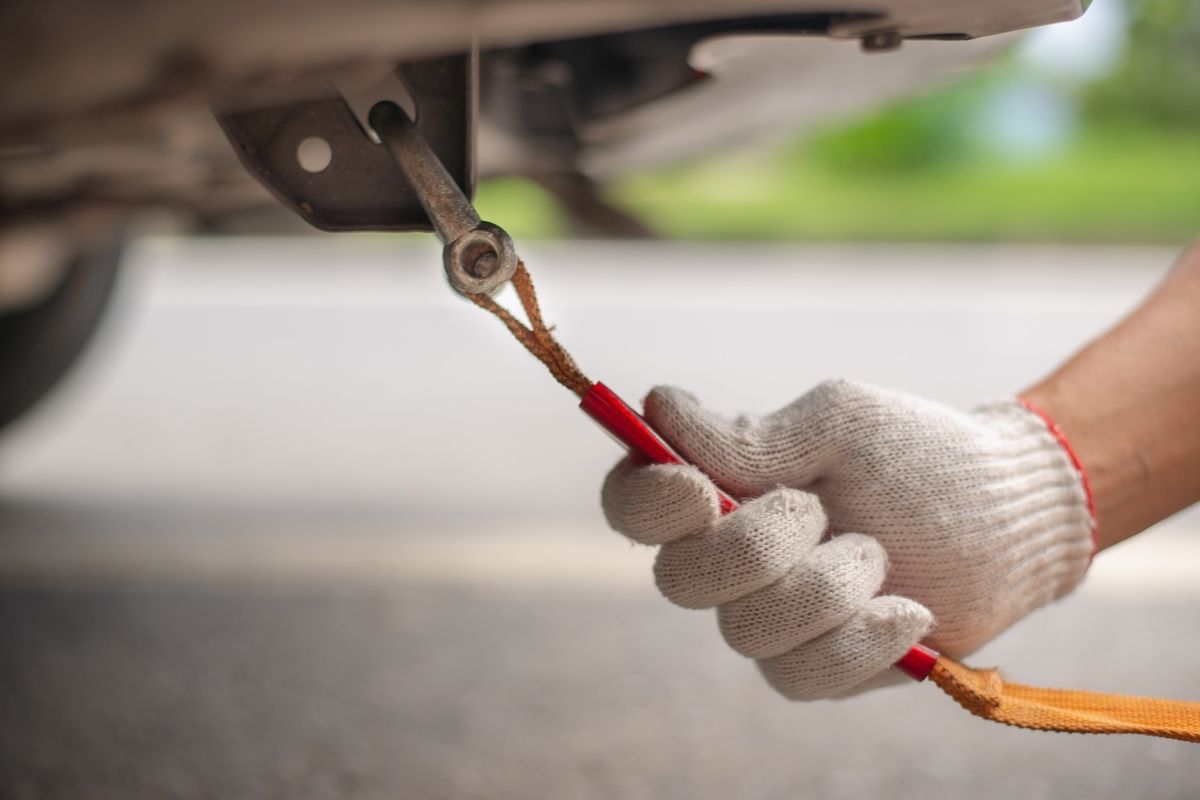
Axle straps are strong webbing straps designed to wrap around a vehicle's axle or suspension part. They create a secure loop where ratchet straps or tie-down hooks can be attached without putting pressure directly on delicate vehicle parts.
These straps are commonly used when transporting cars, trucks, motorcycles, off-road vehicles, and light machinery. Since they spread the pressure more evenly, they help reduce the risk of scratches or damage while keeping the vehicle firmly in place.
Why Choosing the Right Axle Strap Is Important
The quality of your towing equipment affects both safety and performance. Strong Axle straps for towing help prevent the vehicle from shifting during braking, turning, or driving over uneven roads.
A poor-quality strap may wear out quickly or fail under heavy pressure. Choosing a durable strap gives you peace of mind and helps protect both your vehicle and trailer during every trip.
Check the Material First
The material used to make an axle strap is one of the first things you should consider.
Most quality axle straps are made from polyester webbing because it is strong, durable, and stretches very little. Low stretch helps the vehicle stay firmly secured throughout the journey.
Polyester also handles moisture well and performs reliably in different weather conditions. A tightly woven strap usually lasts longer and resists fraying better than lower-quality webbing.
Understand the Load Rating
Every towing strap comes with a load rating, and understanding it is very important.
The Working Load Limit (WLL) tells you how much weight the strap can safely handle during normal use. The Breaking Strength shows the maximum force the strap can withstand during testing.
Always choose Axle straps for towing with a Working Load Limit that matches or exceeds the weight of the vehicle you plan to transport. This provides a safer towing setup.
Look for Strong Stitching
The stitching around the loops is one of the most important parts of an axle strap.
Well-made straps use several rows of heavy stitching to hold the loops securely together. Strong stitching allows the strap to handle repeated tightening and heavy loads without coming apart.
Before buying, check that the stitching is neat, even, and firmly sewn.
Protective Sleeves Make a Big Difference
A protective sleeve helps extend the life of an axle strap.
As the strap wraps around metal parts, rubbing can slowly wear down the webbing. The protective sleeve acts as a barrier between the strap and the axle, reducing damage caused by friction.
If you tow vehicles regularly, choosing straps with protective sleeves is a smart investment.
Pick the Right Length
Choosing the correct strap length makes towing easier and safer.
A strap that is too short may not fit properly around the axle. One that is too long can leave extra slack, making it harder to tighten correctly.
Consider the size of your vehicle's axle and your trailer setup before selecting the strap length.
Check the D-Rings
Many Axle straps for towing include metal D-rings that connect easily with ratchet straps.
Strong steel D-rings improve durability and create a secure attachment point. They should also have a protective finish to help prevent rust if used outdoors.
A good-quality D-ring makes connecting and removing the straps much easier.
Choose a Strap That Resists Weather
Towing often happens in changing weather conditions.
Look for straps that can handle rain, sunlight, dust, and changing temperatures without losing strength. Weather-resistant webbing stays reliable for longer and requires less frequent replacement.
Make Sure the Strap Is Easy to Inspect
Checking your towing equipment before every trip is a good safety habit.
A quality axle strap should make it easy to spot cuts, frayed edges, worn stitching, or other signs of damage. Regular inspections help you replace worn straps before they become unsafe.
Features Worth Looking For
When shopping for Axle straps for towing, pay attention to these important features:
- High-strength polyester webbing
- Proper Working Load Limit
- Reinforced stitching
- Protective wear sleeve
- Durable steel D-rings
- Low stretch material
- Weather-resistant construction
- Correct strap length
Common Buying Mistakes
Many people buy axle straps without checking important details. Avoid these common mistakes:
- Buying only based on price
- Ignoring the load rating
- Choosing the wrong strap length
- Using damaged or worn straps
- Forgetting to inspect stitching
- Skipping protective sleeves
Taking Care of Your Axle Straps
Proper maintenance helps your straps last much longer.
After every use, remove dirt, mud, or road debris from the webbing. If the straps become wet, allow them to dry completely before storing them.
Store the straps in a clean, dry place away from direct sunlight and chemicals. Avoid dragging them across rough surfaces, as this can damage the fibers over time.
With simple care, quality Axle straps for towing can provide reliable performance for many years.
What to Check Before Buying Axle Straps
When Should You Replace Axle Straps?
Even the best straps wear out after repeated use. Replace your Axle straps for towing if you notice deep cuts, loose stitching, frayed edges, melted fibers, severe fading, damaged D-rings, or stretched webbing.
Using worn straps can reduce safety and increase the risk of the vehicle shifting during transport. Regular inspections help you identify problems before they become serious.
Overview
Choosing the right Axle straps for towing is about more than simply buying a strong strap. You should also consider the material, load rating, stitching quality, protective sleeve, D-rings, weather resistance, and proper size.
A well-made axle strap helps keep your vehicle secure, reduces wear on towing equipment, and makes transportation safer. By taking the time to compare these features before buying, you can invest in equipment that delivers reliable performance and long-lasting value.
Frequently Asked Questions
1. Why are axle straps better than attaching hooks directly to the axle?
Axle straps create a soft and secure connection around the axle, reducing the chance of scratches or damage. They also spread the pressure more evenly, making the towing setup safer and helping keep the vehicle stable during transportation.
2. How do I choose the correct Working Load Limit for axle straps?
Choose axle straps with a Working Load Limit that meets or exceeds the weight they will support during towing. Always allow a safety margin instead of selecting straps that are only rated for the exact vehicle weight.
3. How often should I inspect my axle straps?
Inspect your axle straps before every trip. Look for cuts, frayed edges, broken stitching, damaged D-rings, or signs of excessive wear. Replacing damaged straps early helps prevent accidents and keeps your towing equipment working safely.
4. Do protective sleeves really make axle straps last longer?
Yes. Protective sleeves reduce friction between the strap and metal surfaces, helping prevent cuts and wear. This simple feature can extend the life of the strap, especially if you transport vehicles on a regular basis.
5. What is the best way to store axle straps?
Store axle straps in a clean, dry place away from direct sunlight, moisture, and chemicals. Clean off dirt after each use and allow wet straps to dry completely before storing them to maintain their strength and durability.