
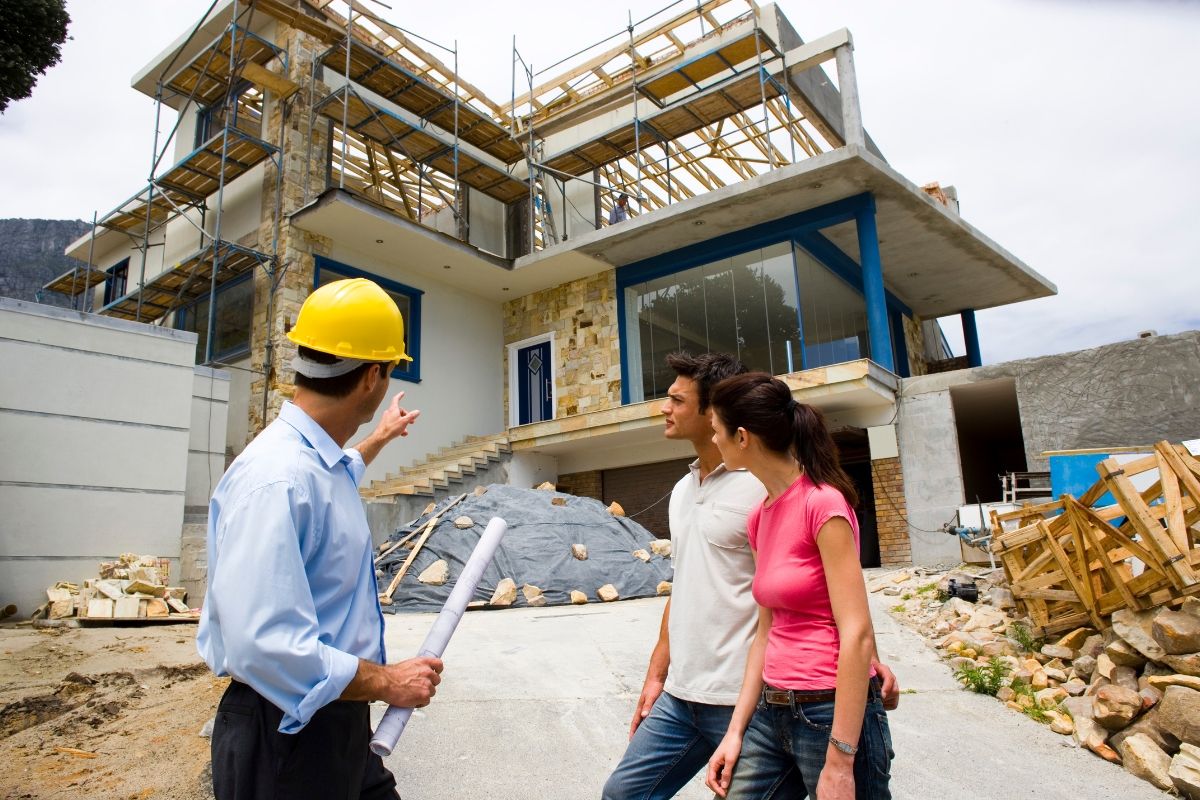
Choosing a contractor is one of the biggest decisions you'll make for your home improvement project. Whether you're building a new house, remodeling your kitchen, adding an extra room, or upgrading your outdoor space, the contractor you hire will play a major role in the final result.
Many homeowners compare prices first, but cost should never be the only deciding factor. Experience, communication, planning, and reliability are just as important. Asking the right questions before signing a contract helps you avoid unexpected costs, project delays, and poor workmanship.
If you're searching for a Residential Contractor Costa Mesa, knowing what to ask can help you find a professional who understands your goals and can complete your project smoothly. This guide covers ten important questions every homeowner should ask before hiring a residential contractor.
Why Asking Questions Is So Important
Home construction and renovation projects require a significant investment of time and money. A contractor is responsible for planning, coordinating work, managing schedules, and making sure the project meets local building requirements.
Before making your final decision, you should clearly understand how the contractor works. The answers you receive will help you judge their experience, communication style, and commitment to quality. A contractor who is open and honest from the beginning is more likely to deliver a successful project.
1. How Much Experience Do You Have with Projects Like Mine?
Not every contractor specializes in the same type of work. Some focus on custom homes, while others mainly complete home additions, remodeling projects, or renovations.
Ask whether they have completed projects similar to yours. Contractors with relevant experience usually understand common challenges and know how to solve problems before they become expensive.
You can also ask to see photos of completed work or learn about similar projects they have finished recently.
2. Are You Licensed and Properly Insured?
Before hiring any contractor, make sure they have the required licenses and insurance.
A licensed contractor follows local construction regulations, while insurance helps protect both the homeowner and the workers if an accident happens during construction.
Working with a qualified Residential Contractor Costa Mesa gives homeowners greater confidence that the project will meet local building standards and safety requirements.
3. Can You Explain How the Project Will Be Completed?
Every construction project follows several steps. Understanding each stage helps homeowners know what to expect before work begins.
Ask the contractor to explain the entire process, from planning to final inspection. This helps you understand how the schedule will work and when important decisions need to be made.
Residential Construction Process
A clear explanation shows that the contractor has an organized process for managing projects.
4. What Does the Estimate Include?
A written estimate should explain exactly what you are paying for.
Instead of looking only at the total price, ask what services, materials, labor, permits, cleanup, and inspections are included.
This discussion helps reduce misunderstandings later and gives you a better idea of the overall project cost.
5. How Will We Stay in Touch During the Project?
Good communication makes every construction project easier.
Ask how often you will receive updates and who you should contact if questions come up.
A contractor who communicates regularly helps homeowners stay informed about progress, schedules, and any changes that may happen during construction.
6. How Long Will the Project Take?
Every homeowner wants to know when the project will be finished.
While no contractor can guarantee that everything will go exactly as planned, they should provide a realistic timeline based on the scope of work.
Ask about:
- Expected start date
- Estimated completion date
- Possible reasons for delays
- Important project milestones
Understanding the schedule allows you to plan ahead and prepare for temporary disruptions.
7. Who Will Be Working on My Home?
Construction projects often involve several professionals working together.
Some contractors have their own employees, while others work with trusted specialists for electrical, plumbing, painting, or other tasks.
It is helpful to know who will be on-site each day and who will supervise the work to make sure everything stays on schedule.
8. How Are Changes Handled During Construction?
Even well-planned projects sometimes need adjustments after work begins.
You may decide to upgrade materials, change part of the design, or add new features during construction.
Ask how these changes are approved and how they affect pricing and timelines.
A clear process helps prevent confusion and keeps everyone informed before extra work begins.
9. Do You Offer Any Warranty?
A reliable contractor should stand behind the quality of their work.
Ask what type of workmanship warranty is included and how long the coverage lasts.
Understanding the warranty before construction begins gives homeowners peace of mind if any covered issues appear after the project is completed.
10. Can You Share Previous Projects or Customer References?
Looking at completed work helps you understand the contractor's quality and attention to detail.
You can also ask for customer references to learn about their experience with communication, project management, and overall satisfaction.
This information can make it easier to decide whether the contractor is the right choice for your project.
Things to Look For Before Making Your Final Decision
Choosing a contractor should never be based only on price. Pay attention to how they communicate, answer your questions, and explain the project.
A trustworthy contractor usually shows these qualities:
- Clear and honest communication
- Detailed written estimates
- Realistic project schedules
- Professional behavior
- Strong attention to quality
These qualities often lead to a smoother construction experience from beginning to end.
Common Mistakes Homeowners Should Avoid
Many construction problems happen because important details are overlooked before work begins.
Try to avoid these common mistakes:
- Choosing the lowest price without comparing experience
- Starting work without a written agreement
- Making frequent design changes during construction
- Ignoring project timelines and payment terms
- Hiring without asking enough questions
Taking a little extra time before hiring a contractor can save money, reduce stress, and prevent delays later.
Final Thoughts
Hiring the right contractor is one of the most important steps in any home improvement project. Asking detailed questions helps you understand how the contractor works, what to expect during construction, and how your project will be managed.
Whether you're planning a home renovation, room addition, or custom home, choosing an experienced Residential Contractor Costa Mesa can make the entire process easier and more successful. By taking time to compare contractors and ask the right questions, you can feel more confident before construction begins.
Frequently Asked Questions
1. Why should I ask questions before hiring a residential contractor?
Asking questions helps you understand the contractor's experience, work process, communication style, project timeline, and pricing. It also allows you to compare different contractors and choose someone who is reliable, organized, and capable of completing your home project successfully.
2. What should a residential contractor provide before work starts?
A professional contractor should provide a detailed written estimate, project timeline, payment schedule, warranty information, and a clear contract explaining the scope of work. Reviewing these details before construction begins helps prevent misunderstandings throughout the project.
3. How do I know if a Residential Contractor Costa Mesa is a good fit?
A dependable Residential Contractor Costa Mesa should have relevant experience, proper licensing, insurance, transparent pricing, and strong communication. They should answer your questions clearly and explain every stage of the project before any work starts.
4. Is the lowest estimate always the best choice?
Not necessarily. A lower price may not include all materials, labor, permits, or other important services. Comparing experience, workmanship, communication, and project planning often leads to a better decision than choosing based only on cost.
5. Why is communication important during a construction project?
Regular communication keeps homeowners informed about progress, scheduling, material selections, and any unexpected changes. Good communication reduces confusion, helps solve problems quickly, and ensures everyone stays informed until the project is successfully completed.