
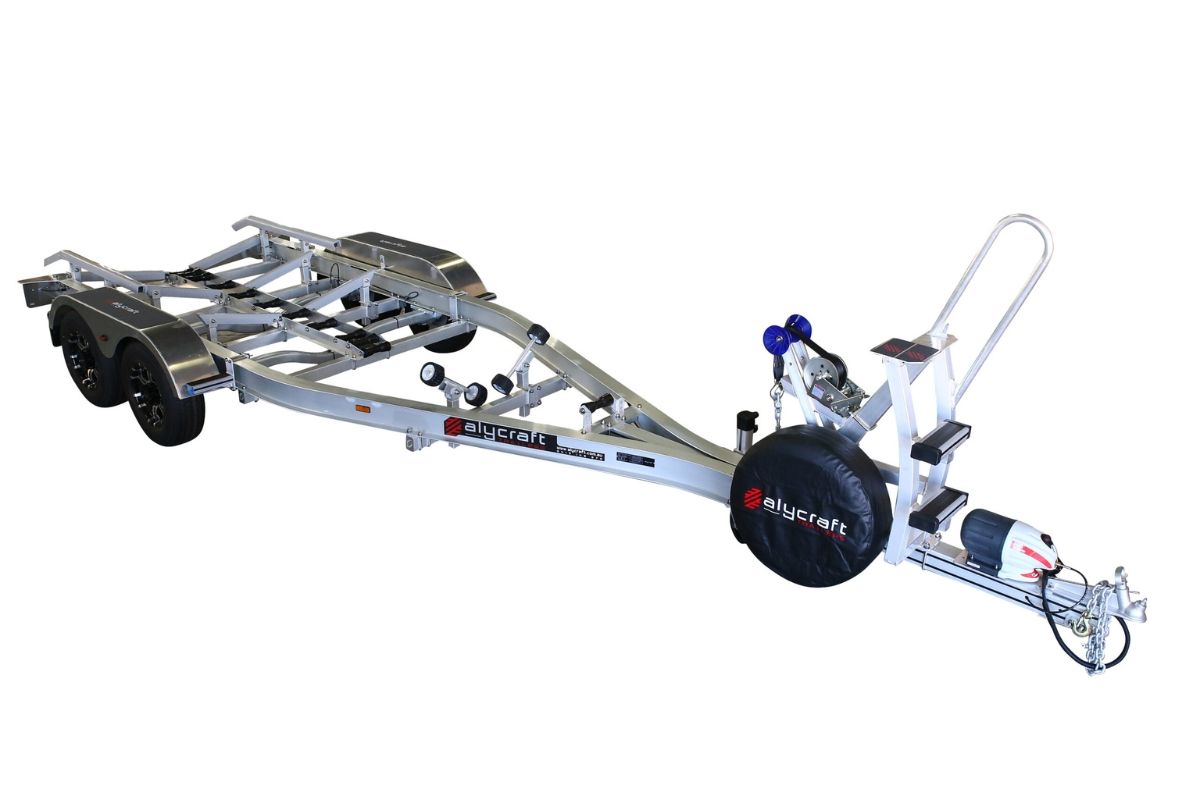
Buying a boat trailer is an important decision for any Australian boat owner. A reliable trailer does much more than transport your boat from one location to another; it supports the safety of your vessel, protects your investment, and makes launching and retrieving your boat easier. Whether you are upgrading your current setup or purchasing your first trailer, choosing the right option requires careful consideration of factors such as trailer size, weight capacity, materials, road conditions, and long-term maintenance needs.
Many buyers focus only on price when searching for boat trailers for sale, but the cheapest option is not always the best choice. A trailer that does not match your boat’s requirements can create safety risks, increase maintenance costs, and lead to unnecessary problems during transport. Understanding common purchasing mistakes can help you make a smarter decision and select a trailer that suits your boating lifestyle, location, and budget.
1. Choosing the Wrong Trailer Size
One of the most common mistakes buyers make is selecting a boat trailer that does not properly match the size and weight of their boat. Every boat has specific requirements based on its length, width, hull design, and total weight when loaded with fuel, equipment, and accessories.
A trailer that is too small may struggle to support the boat safely, while an oversized trailer can make towing more difficult and less efficient. Before purchasing, always check your boat’s specifications and ensure the trailer has an appropriate carrying capacity.
Australian boating conditions can vary significantly, from coastal areas to inland waterways, so selecting the correct trailer size is essential for safe travel. A properly fitted trailer provides better stability on highways, smoother launching at boat ramps, and improved control while towing.
2. Focusing Only on the Price
Budget is naturally an important consideration, but choosing a trailer based only on the lowest price can become costly in the long run. Some cheap boat trailers may appear attractive because of their lower upfront cost, but buyers should carefully evaluate quality, construction, durability, and suitability before making a decision.
A lower-priced trailer may require more frequent repairs or replacement parts if it is not designed for regular use or harsh Australian conditions. Saltwater exposure, heavy loads, and frequent launching can quickly affect a trailer that lacks proper corrosion protection and strong construction.
Instead of looking only for the cheapest option, consider the overall value. A well-built trailer that lasts longer and performs reliably can provide better savings over time.
3. Ignoring the Trailer Material and Build Quality
The materials used in a boat trailer play a major role in its durability and performance. Many Australian boat owners operate in coastal environments where exposure to saltwater can accelerate corrosion and damage poorly protected components.
When comparing different boat trailers for sale, pay attention to the frame construction, suspension components, braking systems, rollers, and protective finishes. A quality trailer should be built to handle regular use while providing dependable support for your boat.
Build quality also affects towing comfort. A strong and well-designed trailer can improve stability on the road and reduce unnecessary stress on both the trailer and the boat.
4. Not Considering Where You Will Use the Trailer
Another mistake is buying a trailer without thinking about your typical boating locations. A trailer used mainly for short trips to a local boat ramp may have different requirements compared to one used for long-distance travel across Queensland or other parts of Australia.
For buyers looking for a boat trailer Queensland option, it is important to consider local conditions, including coastal environments, road distances, and frequency of use. A trailer that performs well in one situation may not always be suitable for another.
Think about how often you will tow your boat, the types of roads you will travel on, and whether you regularly launch in saltwater. These factors will help you choose a trailer designed for your specific needs.
5. Forgetting About Weight Capacity
A boat trailer’s weight rating is one of the most important safety factors. Some buyers calculate only the weight of the boat and forget to include fuel, batteries, fishing equipment, safety gear, and other accessories.
Exceeding the trailer’s recommended weight capacity can affect braking, handling, tyre performance, and overall towing safety. It may also place unnecessary pressure on the trailer structure.
Before purchasing, calculate the complete loaded weight of your boat and compare it with the trailer’s capacity. Selecting a trailer with suitable weight support provides confidence during transportation and helps prevent avoidable issues.
6. Overlooking Maintenance Requirements
Every boat trailer requires regular maintenance, especially in Australia, where many boat owners deal with saltwater exposure and long towing distances. A common mistake is assuming that a new trailer will not require ongoing care.
Regular checks of tyres, bearings, brakes, rollers, lights, suspension parts, and protective coatings can extend the life of your trailer. Rinsing the trailer after saltwater use is also an important step in reducing corrosion.
When considering new boat trailers for sale, ask about maintenance needs and understand how much care the trailer will require throughout its lifespan. A trailer that is easy to maintain can save time and money in the future.
7. Choosing Without Checking Compatibility
A trailer must work correctly with your specific boat design. Different hull shapes require different support systems, including rollers, skids, and positioning adjustments.
Buying a trailer without checking compatibility can result in poor weight distribution and unnecessary pressure on the boat’s structure. The boat should sit securely and evenly on the trailer to ensure safe towing.
Before making a purchase, confirm that the trailer design matches your boat’s hull shape, length, and loading requirements. Proper compatibility improves safety and makes launching and retrieving much easier.
8. Ignoring Braking and Safety Features
Safety features should always be a priority when selecting a boat trailer. Some buyers focus heavily on appearance or price while overlooking important components such as braking systems, lighting, and towing stability.
A suitable braking system can improve control, especially when transporting heavier boats or travelling longer distances. Reliable lights and secure connections are also essential for safe road use.
Australian road conditions can involve highways, regional roads, and challenging weather conditions. Choosing a trailer with appropriate safety features helps create a safer towing experience for both the driver and other road users.
9. Not Researching the Seller or Product Details
Taking time to understand the trailer specifications and available options can prevent disappointment after purchase. Buyers should review important details such as trailer capacity, dimensions, included features, warranty information, and suitability for their boat.
Those searching for QLD boat trailers for sale should consider options that match Queensland’s boating environments, whether they are used for recreational fishing, family boating, or regular water activities.
Making a rushed decision can lead to purchasing a trailer that does not meet your expectations. Careful research allows you to compare options and choose a trailer that provides reliable performance.
10. Failing to Think About Future Needs
A boat trailer should not only meet your current requirements but also support your future boating plans. Some buyers purchase a trailer based on their existing setup without considering possible upgrades or changes.
If you plan to add equipment, upgrade your boat, or travel more frequently, choosing a trailer with suitable capacity and flexibility can be beneficial. A quality trailer should continue to serve you as your boating needs change.
Thinking ahead can prevent the expense and inconvenience of replacing your trailer sooner than expected.
How to Choose the Right Boat Trailer in Australia
Selecting the right boat trailer involves balancing safety, quality, performance, and budget. Start by understanding your boat’s specifications and how you intend to use it. Consider factors such as towing distance, storage conditions, launching frequency, and local environments.
Look for features that support durability, including strong construction, corrosion resistance, reliable components, and easy maintenance. A good trailer should make boating more enjoyable by providing confidence during transport and convenience at the boat ramp.
Australian boat owners should also consider regional conditions. For example, someone regularly travelling through coastal areas may need stronger corrosion protection, while someone frequently towing long distances may prioritise stability and towing performance.
Taking time to compare available options will help you avoid common mistakes and choose a trailer that delivers long-term value.
Conclusion
Buying a boat trailer is a major investment, and avoiding common mistakes can help you enjoy safer and more convenient boating experiences. From selecting the correct size and weight capacity to considering materials, maintenance, and future needs, every detail matters when choosing the right trailer.
Whether you are searching for reliable boat trailers for sale, exploring affordable options, or looking for suitable solutions such as QLD boat trailers for sale, careful planning will help you make a confident choice. A quality trailer should provide dependable support, easy handling, and lasting performance for your boating adventures.
For Australian boat owners looking for practical and reliable trailer solutions, explore the available options and information at Alycraft Trailers to find a trailer that matches your boating requirements.